

Generative AI vs. Traditional AI Explained
Unveiling the Differences

Artificial Intelligence (AI) has been a transformative force for decades, but recent advancements have accelerated its evolution. At the forefront of this revolution are two distinct paradigms: Generative AI and Traditional AI. In the words of renowned AI researcher Fei-Fei Li, “The key to artificial intelligence has always been the representation.” By educating ourselves about these representations, whether Traditional or Generative, we equip ourselves to participate in shaping the future of technology. Understanding their differences, applications, and impacts can provide valuable insights into how AI is reshaping our world.
The Birth and Growth of Traditional AI
Traditional AI, often referred to as "Good Old-Fashioned AI" (GOFAI), has its roots in the mid-20th century. It is based on the premise that intelligent behavior can be achieved through the manipulation of symbols and the implementation of rules. This approach is epitomized by expert systems, which use predefined rules to make decisions.
To understand Traditional AI, it’s like a diligent craftsman who was designed to excel in specific tasks. It thrived on rules and data, meticulously analyzing information to achieve its goals. Think of it as the ultimate assistant, capable of sorting through emails, filtering out spam, or recommending the perfect movie on a Friday night.
In the early days, IBM’s Watson made waves by assisting doctors in diagnosing patients, showcasing how Traditional AI could analyze medical data with astonishing precision. Tesla’s Autopilot, another stellar example, used Traditional AI to handle specific driving tasks, making our roads safer and more efficient.
As AI pioneer John McCarthy, who coined the term "Artificial Intelligence," once stated, “Programs with common sense will be intelligent in the same way that people are intelligent.”
Applications of Traditional AI
Traditional AI has found its applications in various fields:
Healthcare: Early diagnostic systems like MYCIN were designed to assist doctors by recommending treatments based on patient data.
Finance: Automated trading systems and fraud detection mechanisms leverage rule-based AI to enhance decision-making processes.
Customer Service: Rule-based chatbots have been used to answer common queries, improving efficiency and customer satisfaction.
The Rise of Generative AI
Generative AI represents a significant shift from the rule-based approaches of Traditional AI. Instead of relying on predefined rules, Generative AI models, like Generative Adversarial Networks (GANs) and Transformer-based architectures (such as GPT-3), learn patterns from vast amounts of data to generate new, original content.
While Traditional AI is a specialist, its counterpart the Generative AI is the artist and innovator. Unlike its counterpart, Generative AI didn’t just follow rules—it learned patterns and created new content. Imagine an AI that could write poems, paint pictures, or even compose music. This was the realm of Generative AI.
In 2020, OpenAI introduced GPT-3, a Generative AI model that took the world by storm. It could generate human-like text, write essays, and even have meaningful conversations. Another marvel was DALL-E, an AI that could create stunning images from simple text descriptions. Suddenly, the possibilities seemed endless.
As AI researcher Ian Goodfellow, the creator of GANs, remarked, “Generative models are the future of AI because they can understand the data deeply and create new data that retains the essence of the original.”
Applications of Generative AI
Generative AI has revolutionized numerous sectors:
Content Creation: AI-generated art, music, and literature are becoming mainstream, with models like GPT-3 writing essays and creating poetry.
Healthcare: AI systems are now generating synthetic medical data for research and developing personalized treatment plans.
Entertainment: Generative AI is used in video game design, creating realistic characters and environments.
The Key Differences by AI-Experts
Now let us see what AI-experts think about the difference between the two.
Andrew Ng, a leading AI expert, highlights the distinction: “Traditional AI was about hardcoding human knowledge into systems, while Generative AI is about machines learning from data and creating new knowledge.”
Sam Altman, CEO of OpenAI, elaborates on the impact: “Generative AI has the potential to democratize creativity and knowledge, making advanced technology accessible to everyone.”
To summarize the fundamental difference between Generative AI and Traditional AI lies in their methodologies. Traditional AI follows a deterministic approach, where outcomes are based on specific inputs and predefined rules. In contrast, Generative AI uses probabilistic models to produce outputs that are not explicitly programmed, making it more flexible and capable of creativity.
How Consumers Interact with AI
Consumers interact with both types of AI in everyday life:
Smart Assistants:
Traditional AI powers the basic functions of virtual assistants like Siri and Alexa, while Generative AI enables them to understand and generate more complex and natural responses.
Smart Homes:

Rule-based AI systems manage home automation, whereas Generative AI enhances personalization, predicting and adapting to users' preferences.
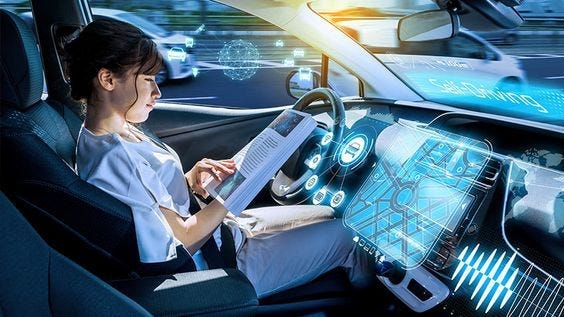
Autonomous Vehicles:
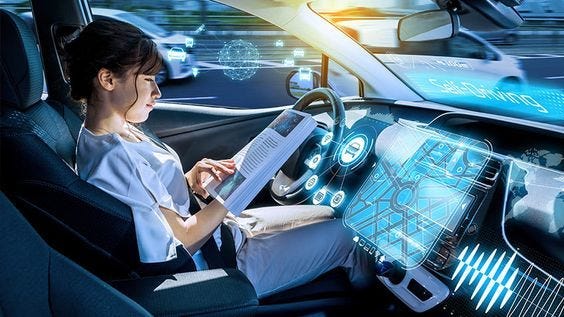
Traditional AI handles the rules and protocols for navigation, while Generative AI improves decision-making and learning from real-time data.
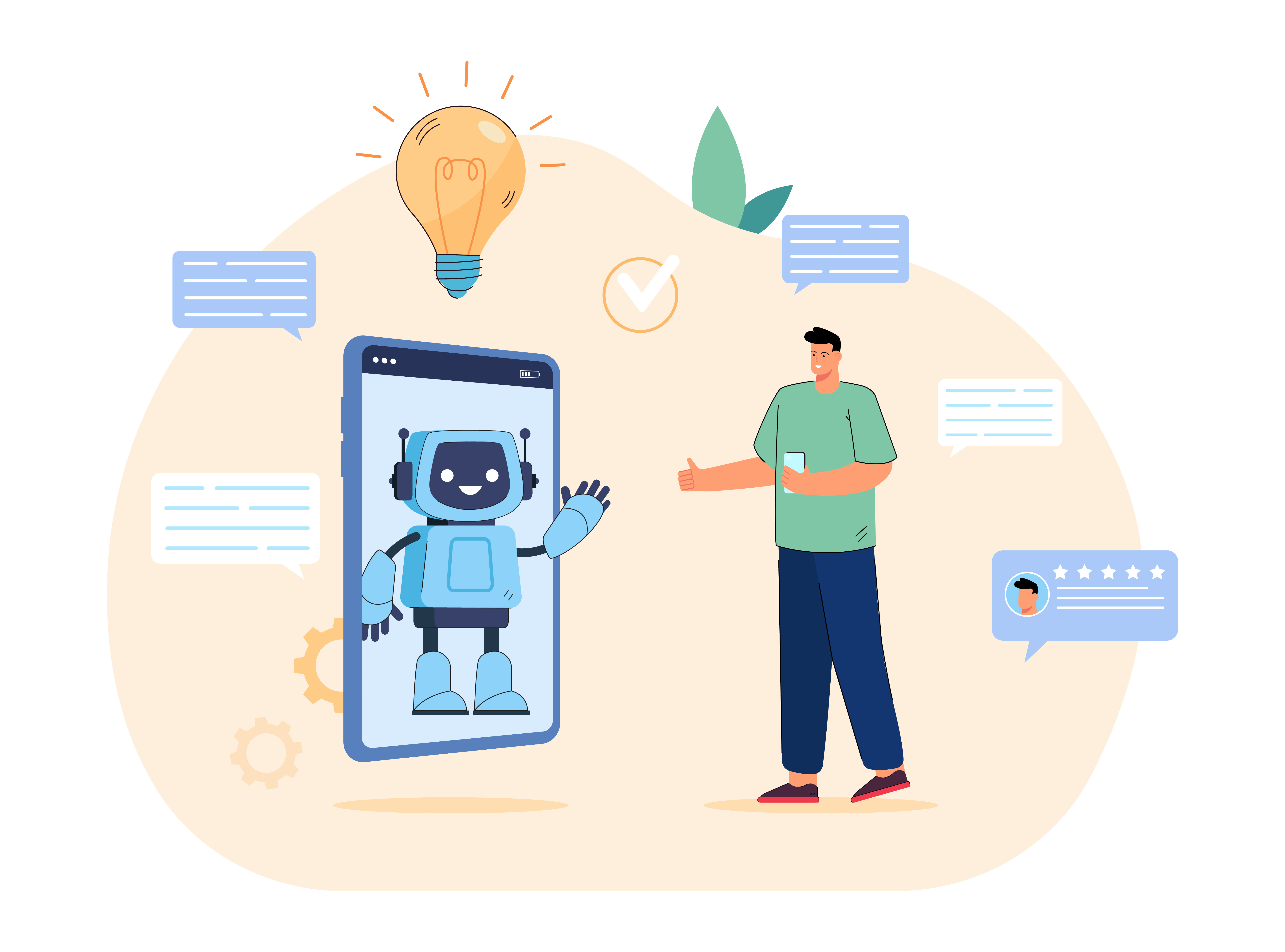

To encapsulate, imagine waking up and asking your virtual assistant about the weather. It swiftly processes your query and provides an accurate forecast. Later, as you scroll through your emails, the spam filter ensures only relevant messages reach you. This is Traditional AI at work—efficient, reliable, and focused.
Whereas you’re brainstorming for a project, and you need some creative input. You turn to a Generative AI tool that not only provides unique ideas but also writes a draft for your presentation. In the evening, you relax with a book summary generated by AI, which captures the essence of the novel perfectly. Generative AI brings a spark of creativity and personalization into your daily routine.
Conclusion
Understanding the evolution from Traditional AI to Generative AI is crucial for navigating the future. As AI continues to evolve, staying informed about these advancements will enable individuals and organizations to harness its potential responsibly and effectively. Knowing the difference between Traditional and Generative AI is particularly important as AI becomes increasingly integrated into our daily lives. It helps us appreciate how different AI models operate and their respective strengths and weaknesses.
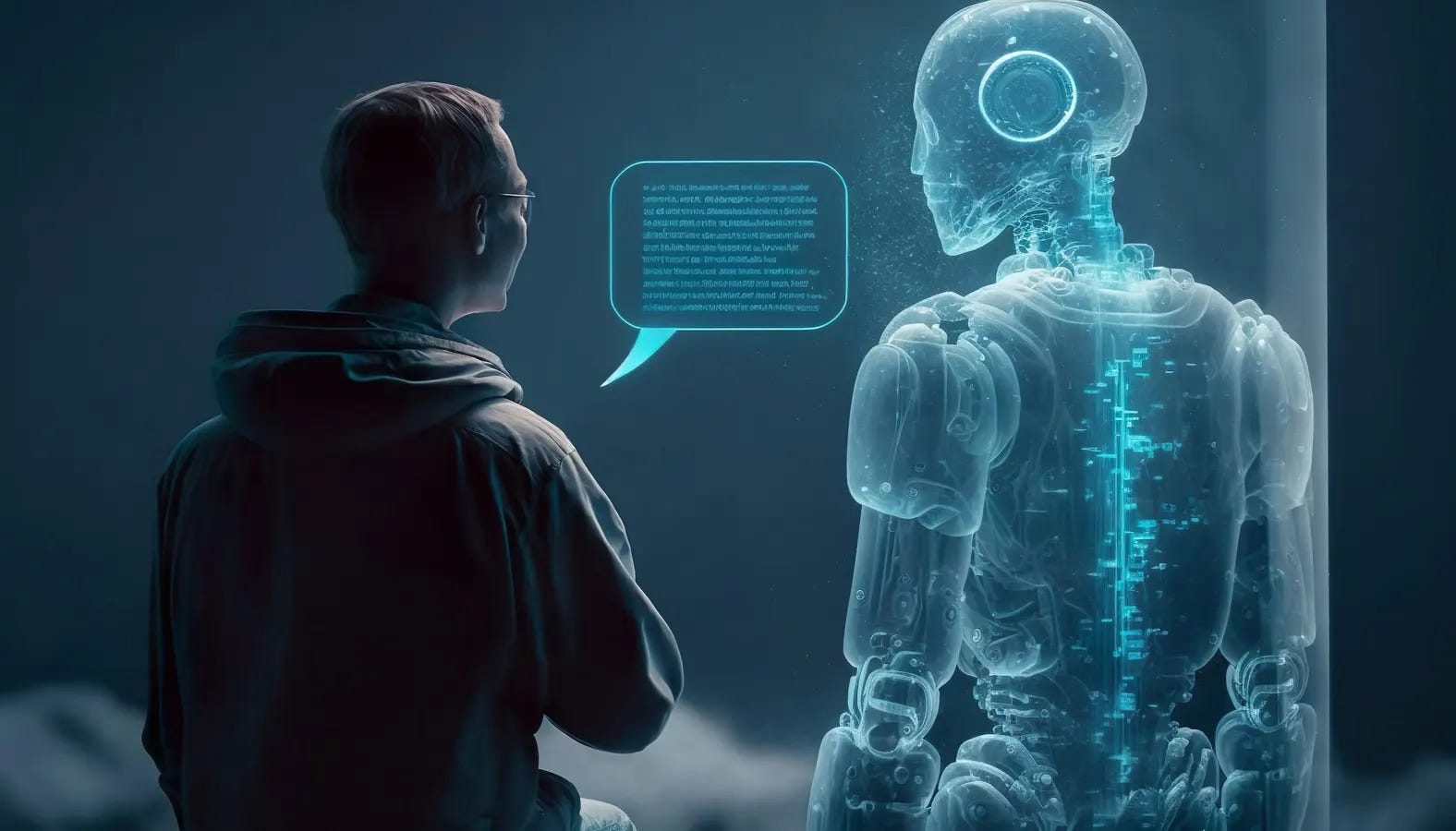
By understanding these differences, we can make informed decisions about how to leverage AI technologies in various aspects of life, from personal to professional settings. Knowledge is power, and in the context of AI, it empowers us to navigate and adapt to an AI-driven world, ensuring that we can make choices that lead to the betterment of our lives.
References
McCarthy, J. (1956). “Programs with common sense will be intelligent in the same way that people are intelligent.”
Goodfellow, I. (2014). “Generative models are the future of AI because they can understand the data deeply and create new data that retains the essence of the original.”
Ng, A. (2020). “Traditional AI was about hardcoding human knowledge into systems, while Generative AI is about machines learning from data and creating new knowledge.”
Altman, S. (2021). “Generative AI has the potential to democratize creativity and knowledge, making advanced technology accessible to everyone.”